Activities
We operate in the following countries and regions.
Partnerships/Programmes
Our efforts stem from relationships built on trust. For us, a partnership is a joint endeavour between two equals and involves mutual give and take. Strategic partnerships have a beginning, but no predetermined end.
Projects
Most aid work is carried out as projects. Unlike partnerships, projects have a defined start and a specific end, as well as limited resources in terms of time, effort and money. We carry out projects in accordance with standard guidelines on reporting, planning, accounting, auditing and monitoring. Projects are temporary endeavours undertaken by more than one organisation and involving interdisciplinary collaboration. They require structures for management, decision-making and problem-solving. For every project, we strive for tangible and measurable objectives. The formulation of development objectives is based on the needs identified by the beneficiary target group.
Other activities
This includes everything that cannot be allocated to the other sections: one-off smaller donations, field visits without any visible results, and the administrative work in Switzerland that is necessary for the continued operation of SwissRelief.
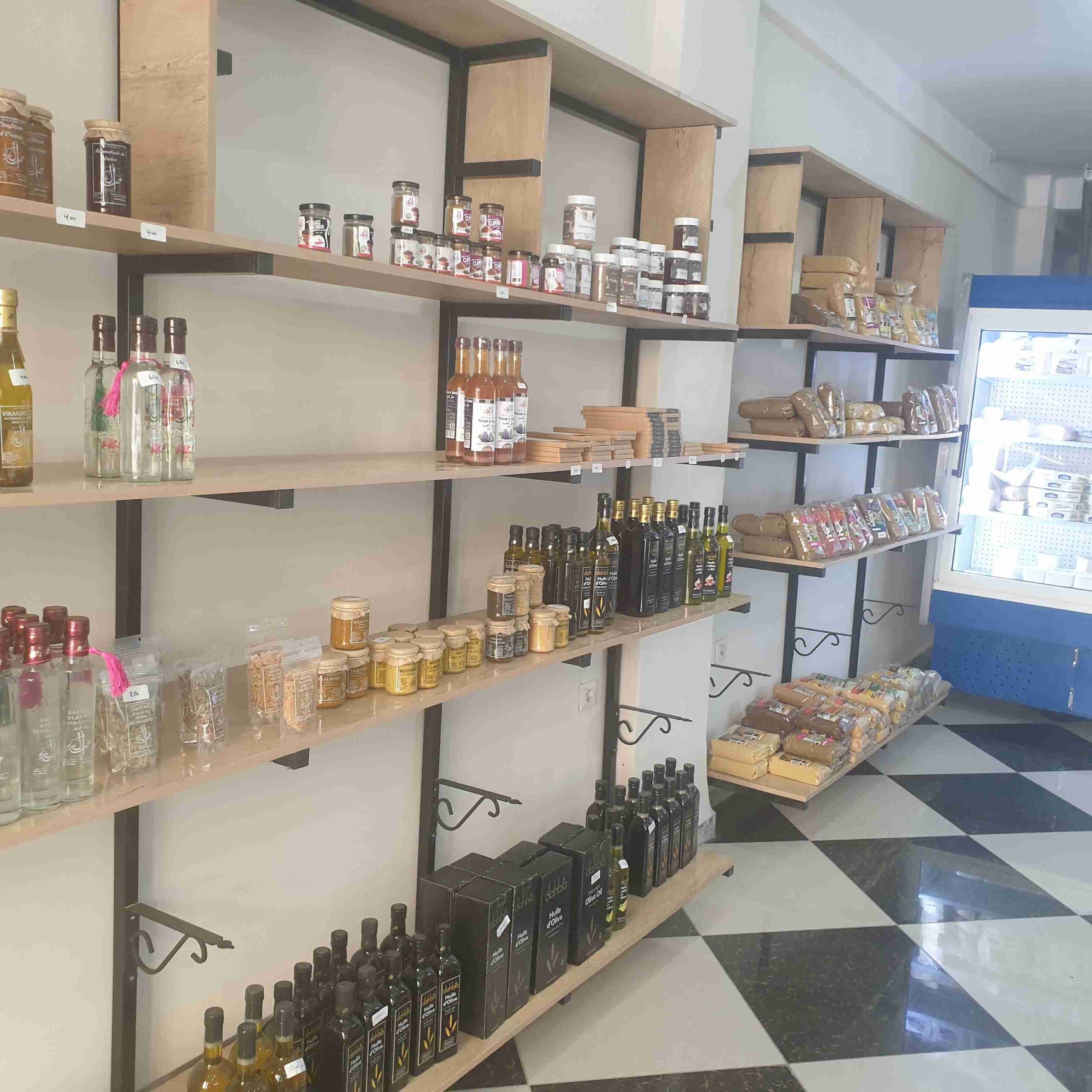
Algeria – Life is restored
Unfortunately, the following account is not an isolated case in Algeria and is representative of many others. A young couple with a small child increasingly distances themselves from the traditions and beliefs of their extended family. A dispute over life choices finally proves to be the last straw and the situation escalates: The young family is disowned by their relatives; their parents no longer wish to see them, they are forced to leave their home, and the husband loses his job. They have no choice but to leave their hometown and move to another city. They choose a place where the influence of their extended family is minimal. Here they start from scratch and must build a new life for themselves.
First, they need a flat to rent. Their child is not yet of school age, which makes the move easier. Next, they need a source of income. We learn about their situation and work with them and the local partner to draw up a plan. They have previous experience in agriculture. The new town relies on agriculture and trade. Due to geopolitical tensions, not many fresh organic products are being imported, so there is a growing demand for them.
That is why they are trained to make various types of cheese using organic milk. With some start-up funding, they can rent a small shop and sell their products there. Before long, they offer other organic products from the region alongside their cheese. Thanks to the small shop, they quickly get to know the local community and build social connections. After about a year, they tell us: “We’ve settled in now and feel at home again. Thank you for helping us!”
Arabian Peninsula – Educational programmes to combat poverty
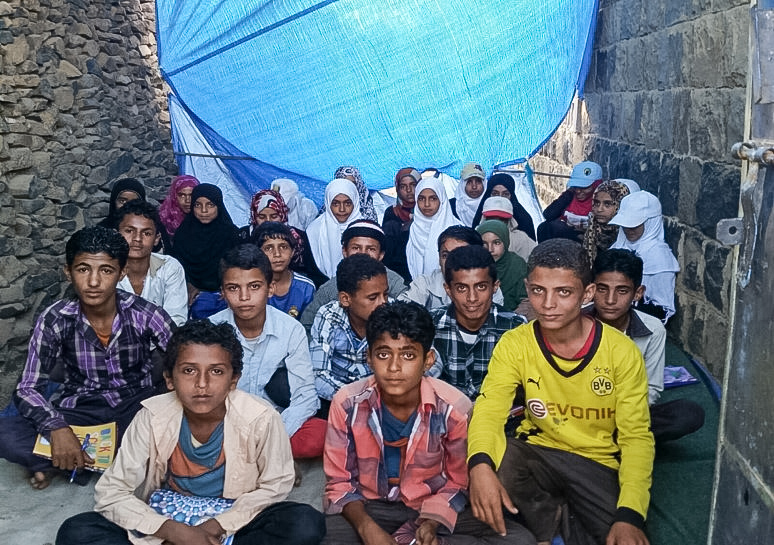
On the Arabian Peninsula, we are working in one of the poorest countries in the world, which, according to the UN, has become the scene of one of the world’s most severe crises due to bombing and civil war. A devastating famine is affecting more than 80% of the population, predominantly children and women. Millions of internally displaced people have lost everything. Families are struggling to survive, sources of income are scarce, supplies are dire, and international aid is frequently blocked by warring parties. The inadequate supply of drinking water causes numerous preventable diseases, including cholera.
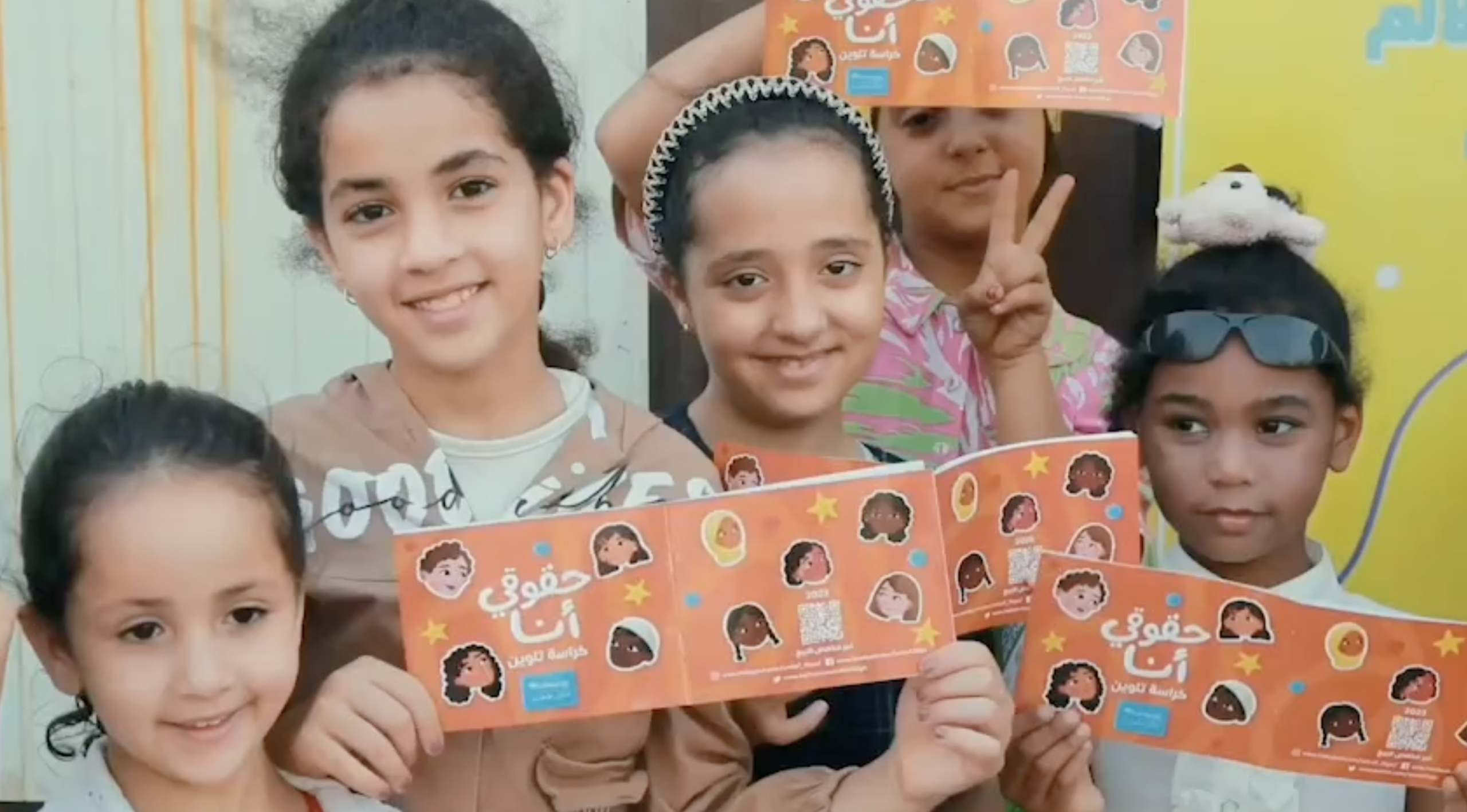
In cooperation with local partners and authorities, we provide essential drinking water and food aid, emergency medical care, shelter for displaced people, and educational and vocational support for children, young people and women. Empowering women in particular helps to ensure the livelihood of their families. Many of the children and young people we support come from marginalised minority groups, such as the descendants of African slaves. They face social discrimination, but education gives them the opportunity to pursue more respected professions. Furthermore, attending school protects children from being recruited as child soldiers by militias.
SwissRelief also focuses on peace and reconciliation work, as well as building trust between parties to a conflict, in order to foster hope. This includes leadership training programmes designed to equip the next generation with leadership models that prioritise non-violent conflict resolution over aggression. SwissRelief is also involved in trauma recovery courses.
Indonesia – Schooling for refugees
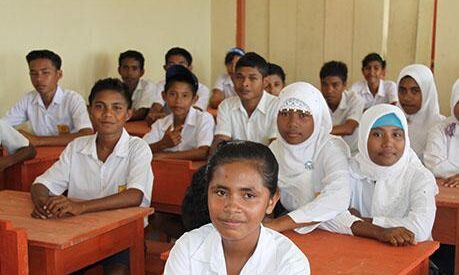
Following conflicts in the Moluccas, in eastern Indonesia, between 1999 and 2003, thousands of people were displaced. Many members of the affected minority group have since settled on the island of Seram. Unfortunately, there is an acute shortage of school facilities for their children there. Thanks to significant support from a Swiss foundation and an entrepreneur, we were able to build a secondary school for 150 refugee children in the Kayratu district. The planning and construction were carried out by our long-standing local partner. In 2010, the official handover ceremony took place in the presence of local government representatives.
Generous support from a Swiss foundation also enabled us to build a primary school for 150 refugee children in the village of ‘Desa KM9’ on the Moluccas. Our long-standing local partners were responsible for the construction and the necessary arrangements. The official opening of the new facility took place at the end of 2011 in the presence of local government representatives, although it had already been in operation for several months prior to that.
Many of the displaced people ended up in remote villages and tried to build a new life there. The existing schools were completely overwhelmed by the new arrivals. Many children had no access to education. Thanks to the generous support of a Swiss foundation, we were able to build a secondary school in the village of Sayoang for over 200 refugee children. In addition to the school building, the complex includes a toilet block and a sports field. The school was officially opened at the end of 2012. At this joyful occasion, the appreciation for the help from Switzerland was emphasised. Now the future looks much more promising for the young people of this village.
Thanks to the generous support of a Swiss foundation, we were able to construct several additional school buildings on the island of Seram, which has been particularly affected by migration. During 2015, we built five school buildings, complete with the necessary facilities, in four different villages, providing education for a total of 1,000 children. The buildings were officially opened in 2015 in the presence of local authorities and a SwissRelief representative. Those present repeatedly emphasised: “Now our children have the chance to shape a positive future for themselves.”
Today, these schools are independent and operate without further support from SwissRelief.
Levant - Present despite war and hunger
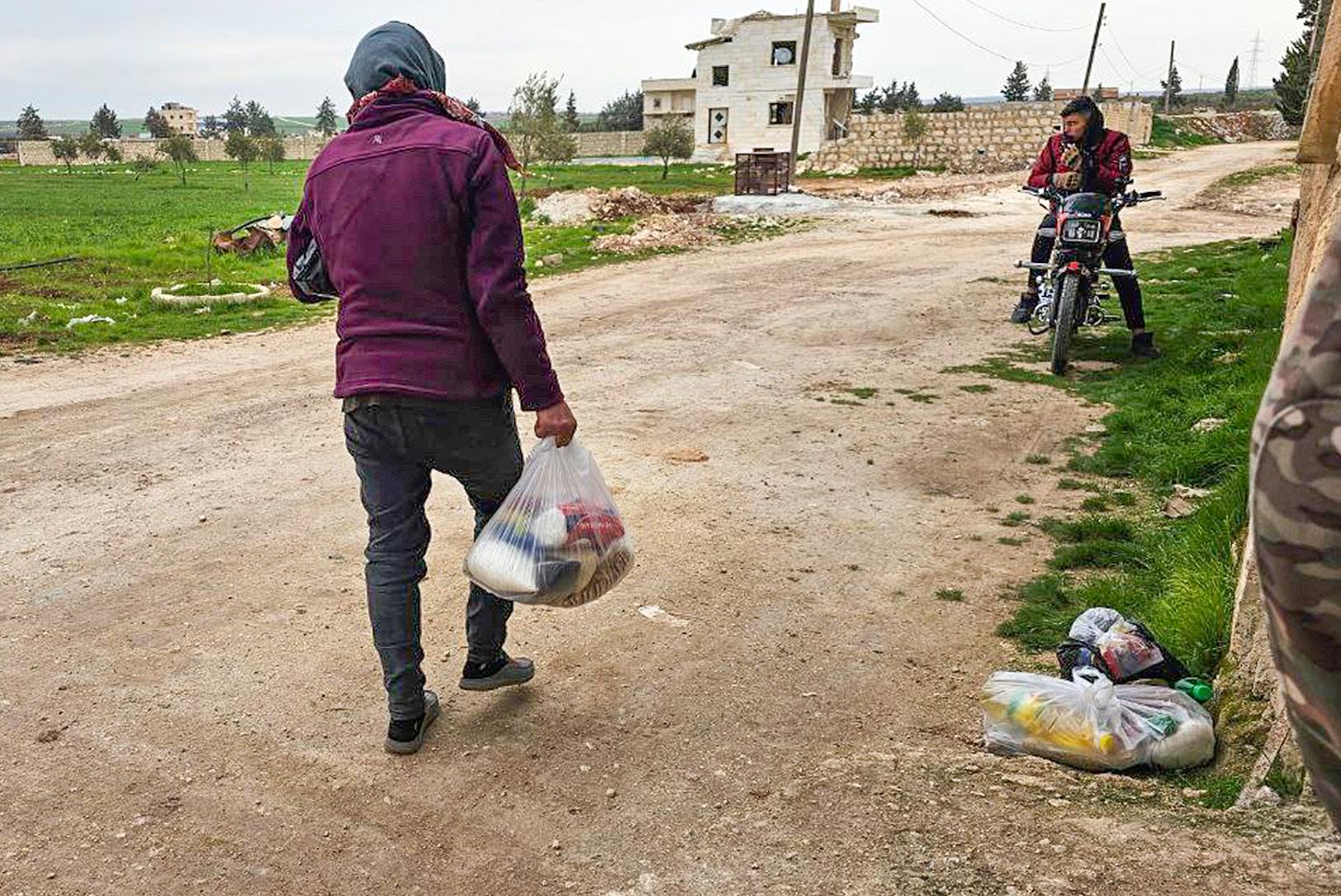
War, hunger and displacement again defined the year 2025 for many people in the Levant. The Gaza War, the fighting in Lebanon and the upheaval in Syria brought great suffering to the people of the region. Many look to an uncertain future with fear. In contrast, many of those who received help from SwissRelief look back with gratitude. SwissRelief continued to distribute food parcels to several thousand vulnerable internally displaced persons. Moreover, schoolchildren and students from impoverished families received educational support. Through these and other projects, SwissRelief aims to provide survival aid for today and instil hope for tomorrow in the war-torn Levant.
Morocco - Humanitarian aid and start-ups
It is hard to believe that people in the interior of the country are still living without access to water, electricity and the internet. Our partner is committed, because she cannot turn a blind eye to the hardship. She herself had to endure a challenging youth and knows need and misery from personal experience. Today, she helps people who are in similar situations to the one she faced back then. When she brings food to disadvantaged women, she is always surrounded by smiling faces. The women enjoy the sewing courses she offers even more, because they learn a skill that can generate an income.
In Morocco, many people continue to struggle with persistently high unemployment despite economic progress. When Salah lost his job, he was left with nothing—without an income for himself and his family. With our support, he was able to buy a second-hand car, which he now uses as a taxi. He transports people to their remote home villages and can once again support himself financially.
Abdel had a similar experience and found it very difficult to make ends meet. With our help, he was able to rent a small shop, where he now sells fresh chicken and eggs. His son runs the shop, while Abdel offers transport services for other shops with a three-wheeled delivery vehicle that we also sponsored. These start-up supports enable both families to live self-determined lives with their own income.
Mauritania - Strengthening married couples
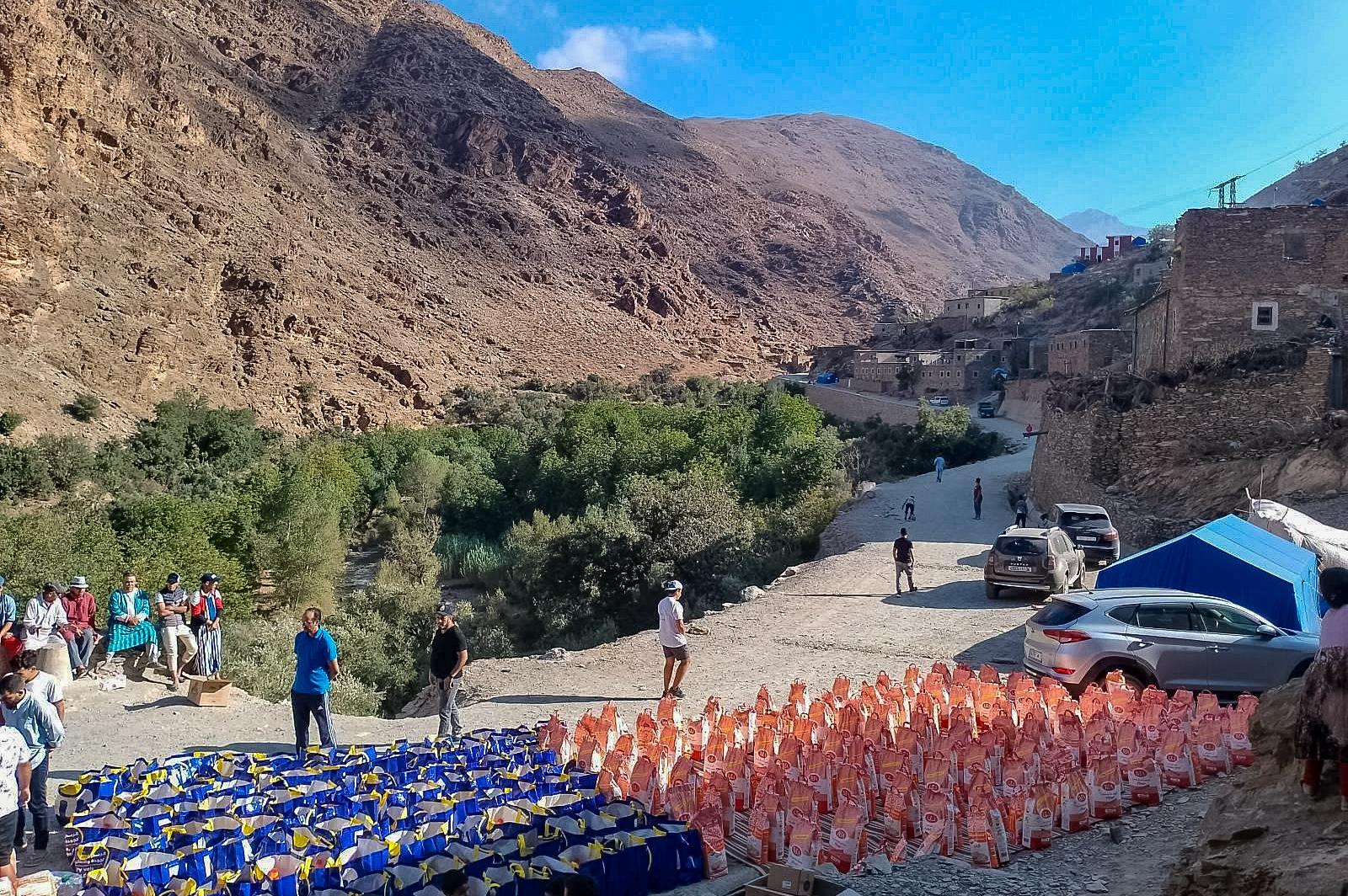
In Mauritania, this year’s seminar to strengthen married couples was again a great success and received positive coverage in the local media. The aim of strengthening marriages is to counteract the high divorce rate, which further exacerbates the considerable financial difficulties faced by many families. It is common practice in Mauritania to dissolve marriages lightly. Many people have been divorced several times. Yet the greatest victims are not the divorced parents, but their children. It is not uncommon for them to end up as ‘semi-street children’, particularly when both parents remarry and want nothing more to do with their children from their previous marriage. If the future of children in Mauritania is to be improved, it makes strategic sense to reduce the number of divorces. This gives children a more intact hope for the future – and many married couples also live happier lives.
North Africa - Believing in a better future
Although there are still at least two ‘governments’ and many rival militias in this country, there are growing calls for a national army. Most people have never been asked, but all they really want is a normal life in safety. The situation remains complex, chaotic and dangerous.
Most international aid organisations have moved to safety in neighbouring areas abroad and are only returning hesitantly. Only very few local aid organisations have remained on the ground. Our partner and their team are among these exceptions – even though it is challenging and dangerous for them too to continue their humanitarian work.
It goes without saying who is once again bearing the brunt of these circumstances. The crisis has driven many to flee within their own country. Simply belonging to the wrong tribe or living in the wrong city is enough to be driven out.
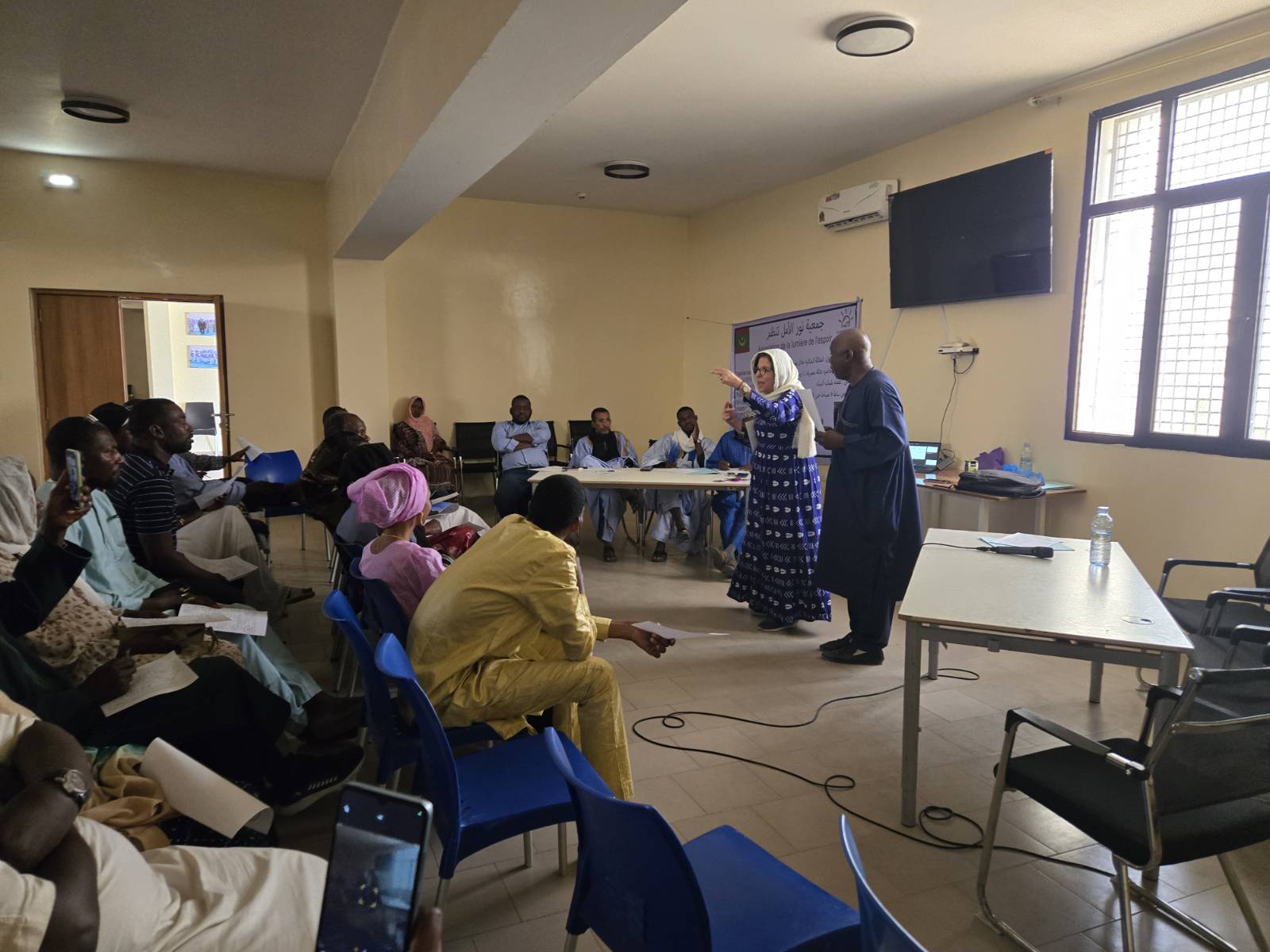
Through his aid organisation, our partner provides hundreds of internally displaced persons (IDPs) with survival kits that include food and blankets, hygiene items and drinking water. Despite everything, they are continuing to run the popular activities for children. They have also recently opened a school that is appreciated by both children and parents. They also plan to offer activities for the children during the long summer holidays.
Pakistan - Emergency aid after flooding
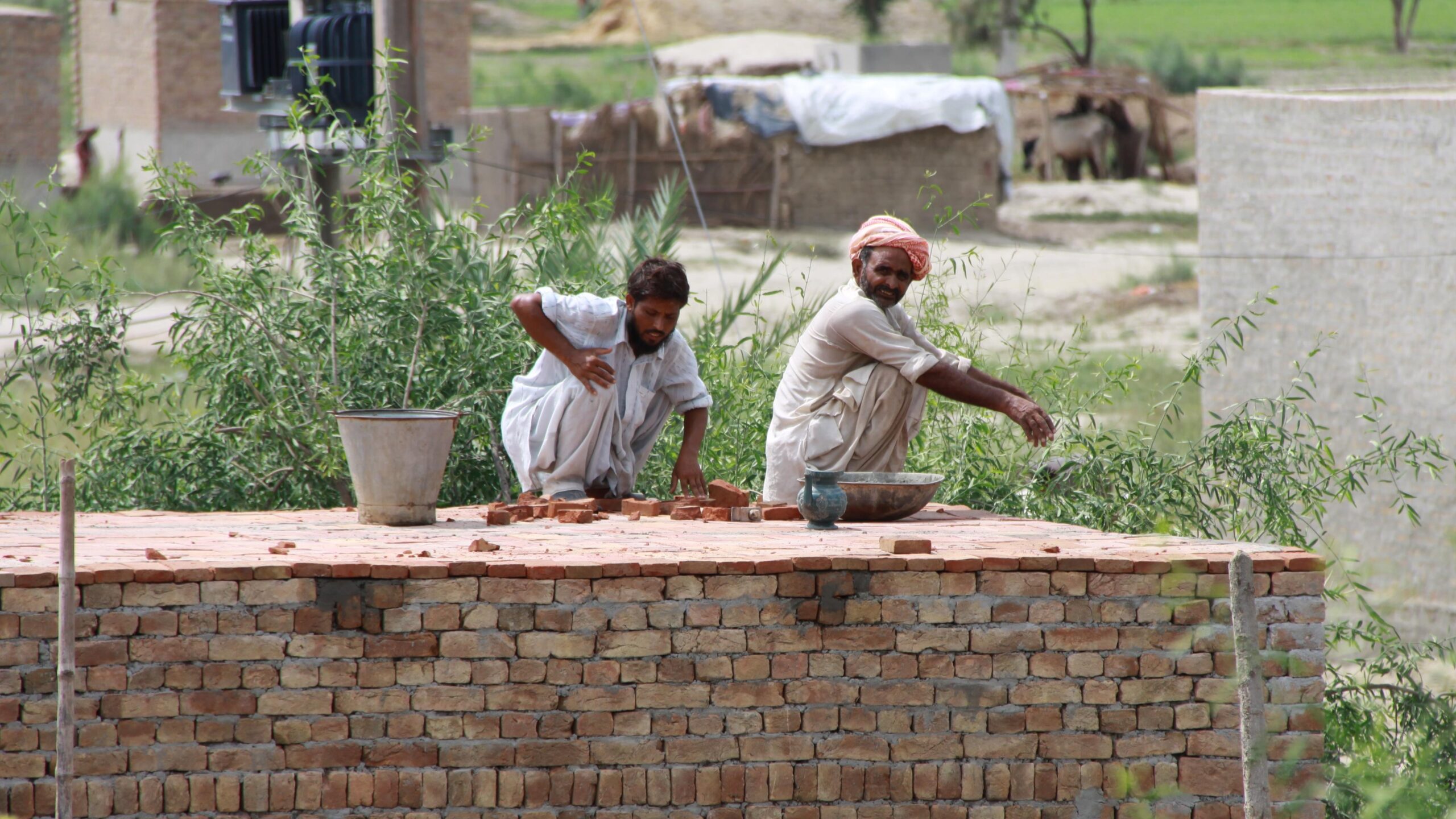
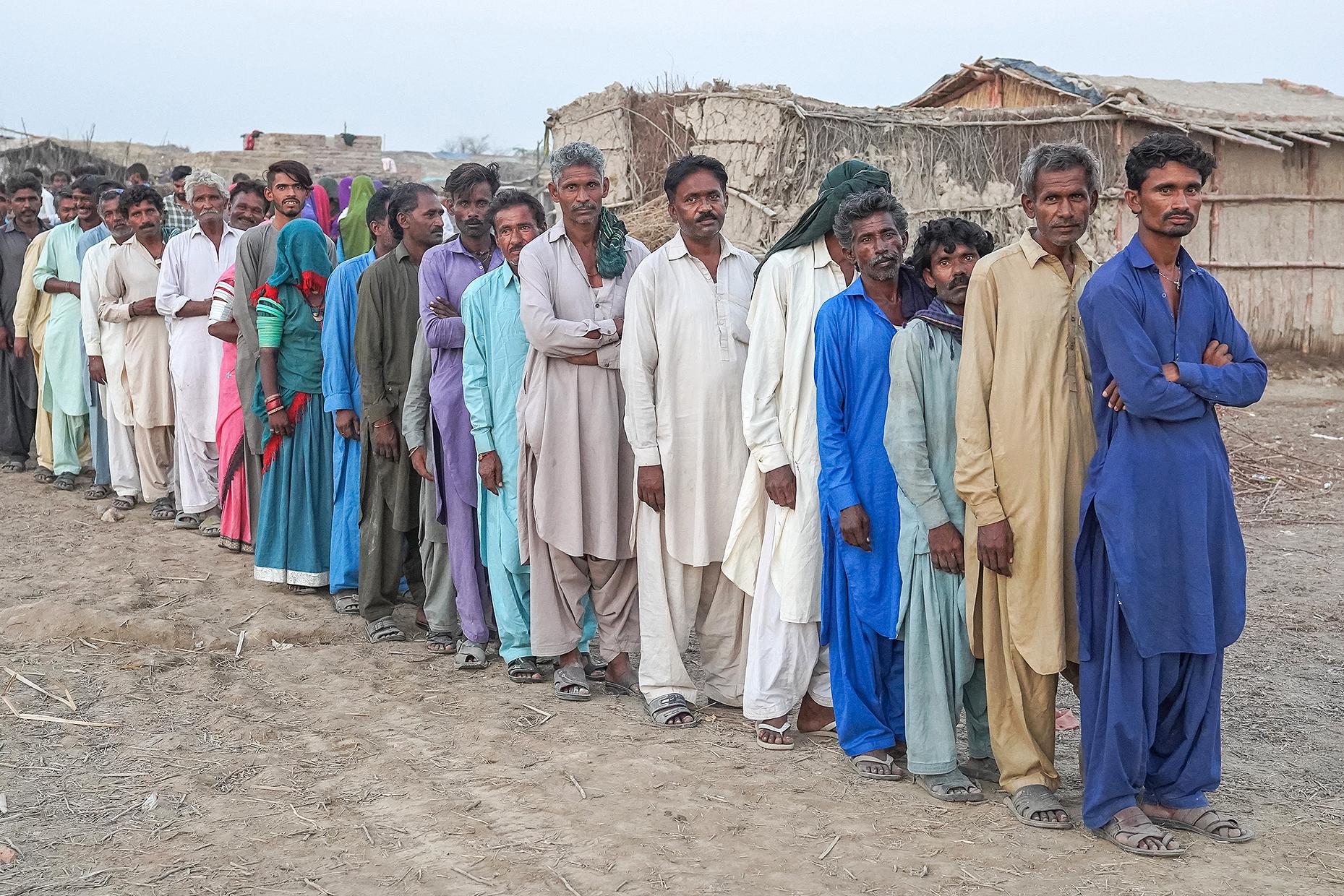
Pakistan is repeatedly hit by flooding and other natural disasters. In 2024, SwissRelief’s partner responded quickly to heavy rainfall and flooding in Sindh province and organised extensive relief measures. Within three days, the local team packed 600 hygiene kits, 400 tents, 600 food boxes and 800 20 kg sacks of flour. The team arrived in Sindh on 21 October. After setting up a local warehouse, distribution began on 24 October and was completed after two days. In total, 600 families (around 3,625 people) were supported.
The team observed significant damage: destroyed homes, livestock killed by mosquito bites and snake bites, and health problems due to stagnant water, where mosquitoes—and thus malaria—spread quickly. Pregnant women in particular suffered and experienced miscarriages and stillbirths. People looked hopeless and discouraged. They had little to nothing to eat, even though the Diwali holidays were approaching. The food was a huge help to them. In addition, the team also provided emotional support. Women from the team went specifically to the Sindhi women and listened as they spoke about their experiences and challenges.
Gulab and his brother are just two of the beneficiaries. Due to the long, heavy rains, their house collapsed. Then their goats also died because of the mosquito infestation and other diseases that spread due to the stagnant floodwater. There was no work for the two men, and they thanked the team warmly for the emergency relief package.
Sahrawis - Creating prospects despite a long-term crisis
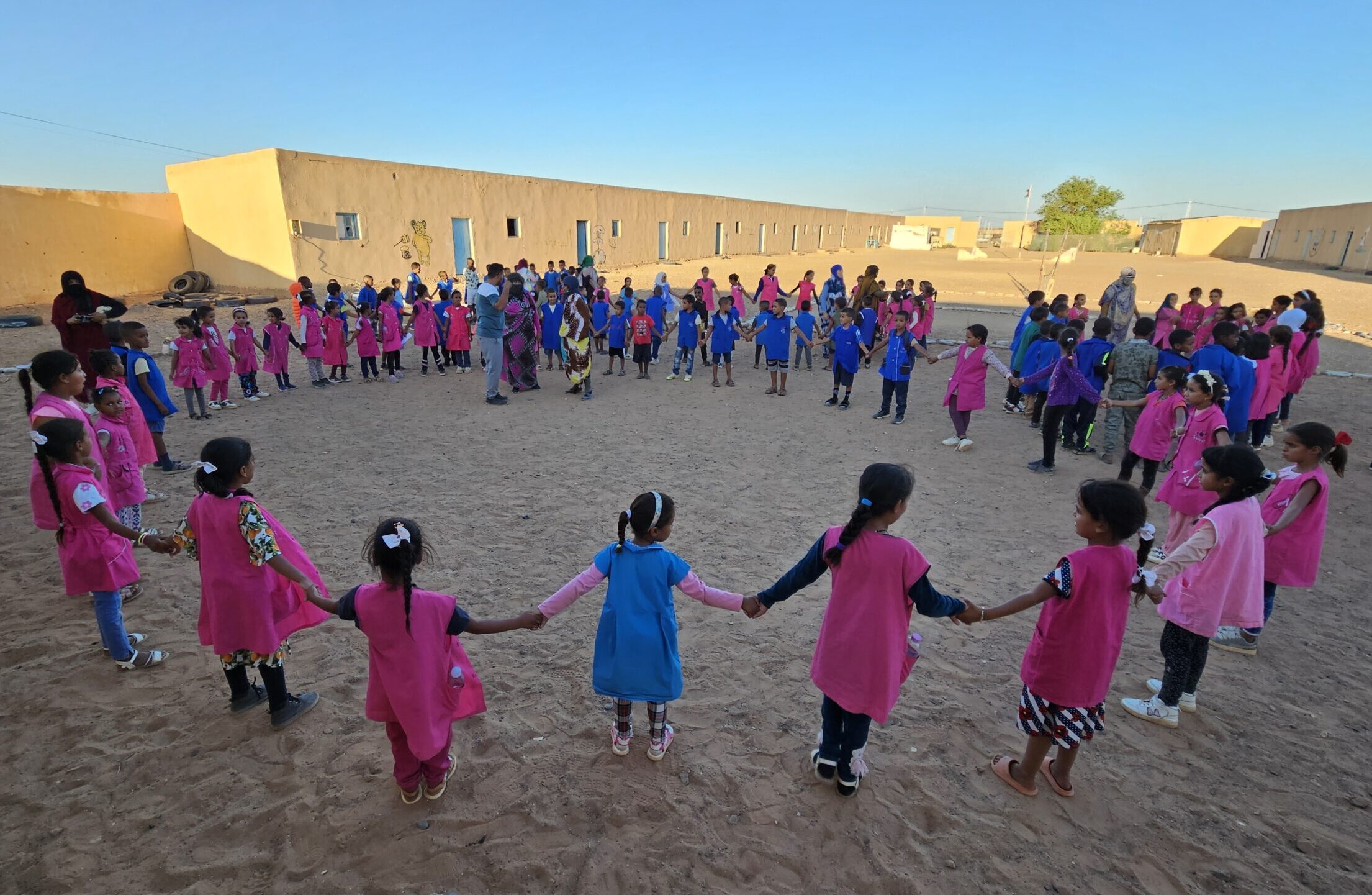
After so many years, entire generations have now grown up knowing nothing but life as refugees. A conflict from the colonial era, which was thought to be easily resolved, has been ignored and forgotten by the international community. The Sahrawi people, however, have a rich culture with valuable traditions.
For many years, we have been working to ensure that hope does not fade. Every week, we support thousands of children together with a team of female leaders. These leaders receive special training and support for their personal development. We help particularly affected families to replace their water tanks so that the water does not cause health problems. We support young women in setting up their own micro-businesses. And following unexpected disasters (e.g. heavy rainfall), we help to rebuild collapsed huts.
Important notice
With regard to the political situation of the Sahrawi people, we strive to maintain a neutral stance. As a humanitarian aid organisation, SwissRelief is not politically motivated, but is committed to providing humanitarian aid and promoting social development. We do this in accordance with the ICRC’s Code of Conduct, the full text of which can be found here. We wish the Sahrawi people – as we do every other people – a life of dignity and self-determination as a fundamental human right.
Tunisia - Help for self-help
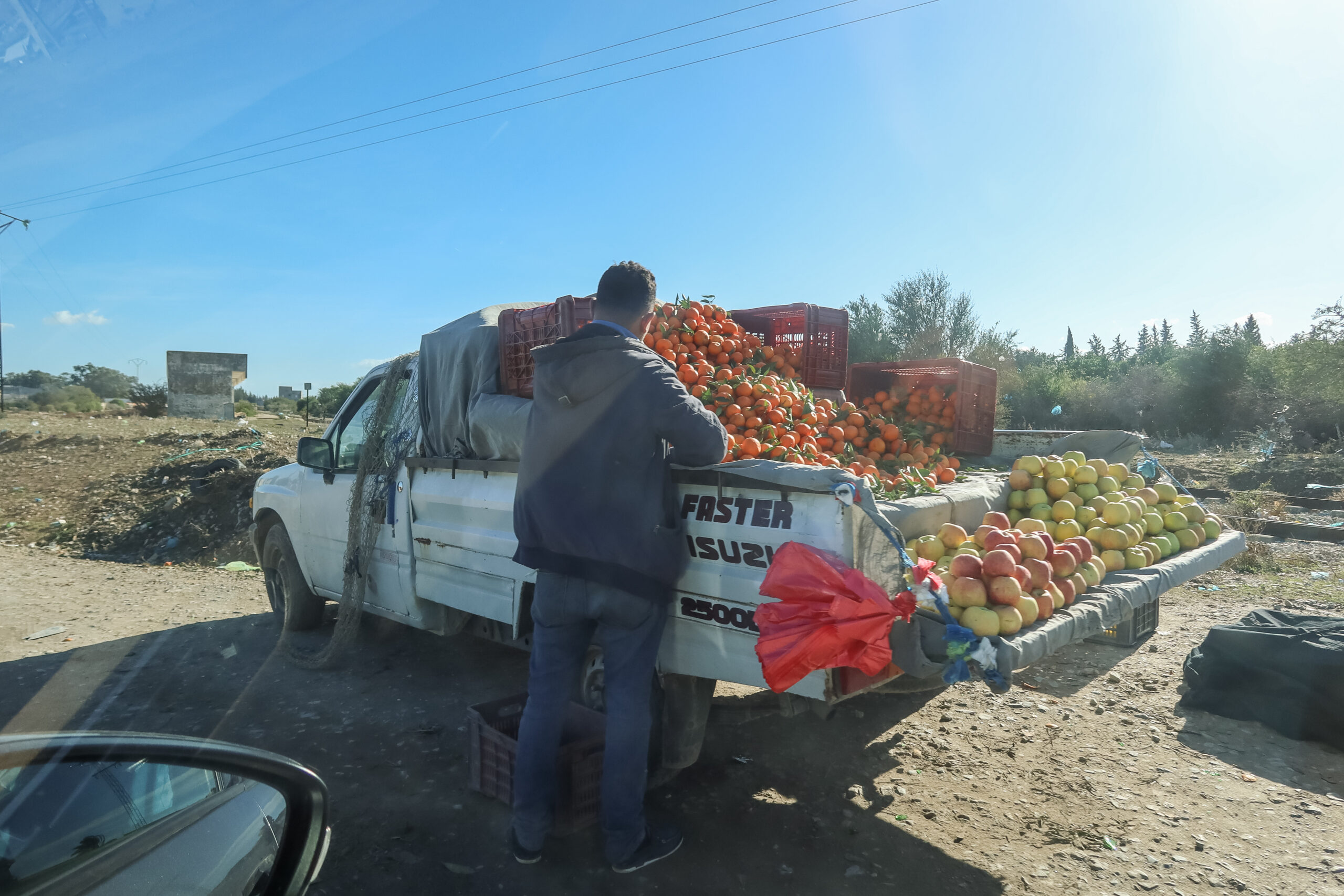
For a long time, Tunisia was seen as an exemplary exception in North Africa—a country in which the overthrow of the dictator had led to a promising form of democracy. Recently, however, Tunisia unfortunately seems to be taking steps backwards again. It is becoming increasingly difficult, especially for refugees and minorities.
Start-up support for micro-businesses is exceptionally effective in the current economic situation: with relatively little effort, those affected can be given a way out of unemployment and poverty. For example, financing a driving test alone can help someone work independently as a taxi driver.
West Bank & Gaza – Food and Drinking Water
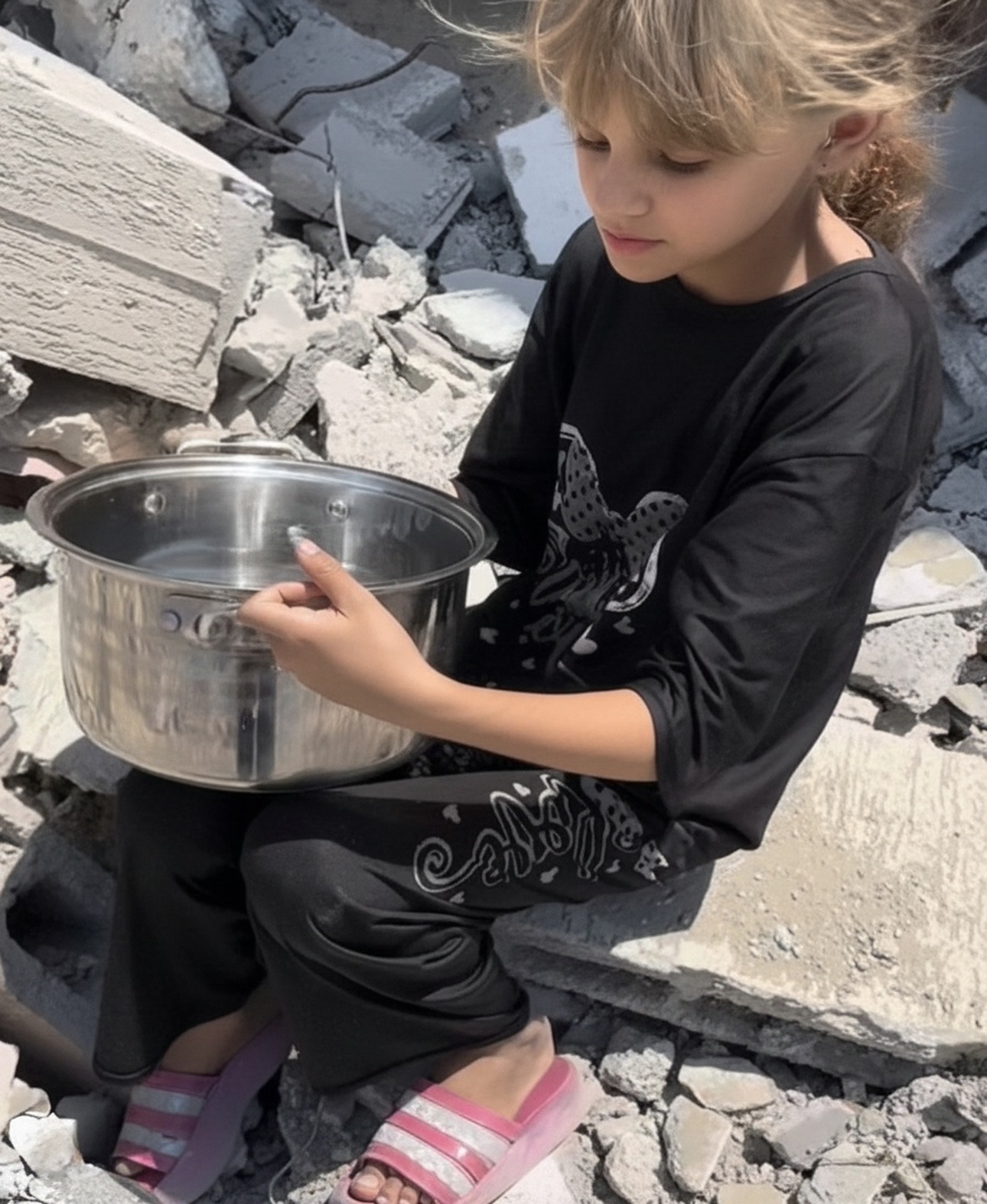
The humanitarian situation in the Gaza Strip has not improved significantly since the ceasefire in October 2025, as too few aid deliveries are still reaching those in need. The security risk remains high due to recurring outbreaks of fighting. The healthcare system has largely collapsed, and diarrhoeal diseases and infections are spreading. The majority of the population has been displaced and is living in overcrowded emergency shelters or in the open air. Women, widows and orphans are often the hardest hit.
Throughout 2025, SwissRelief provided emergency aid by distributing food to the poorest and most vulnerable families, including regular supplies of baby food. At various hotspots, we distributed clean drinking water, which is otherwise scarce in Gaza. We provided displaced people with essential tents, mattresses, blankets, clothing, basic kitchen utensils and solar power to charge their communication devices.
In the West Bank, too, the economic situation has continued to deteriorate for most residents. In 2025, SwissRelief distributed food to many families who had lost their income, to refugee families and to stranded jobseekers from Gaza. For years, we have also been supporting an educational facility comprising a nursery, primary school and leisure centre, where children from refugee camps learn the value of reconciliation rather than joining the cycle of hatred between the hostile ethnic groups. Since the start of the war, this educational mission has become even more important – not least to strengthen the children’s self-esteem, creativity and ability to resolve conflicts.
Central America - Disaster relief
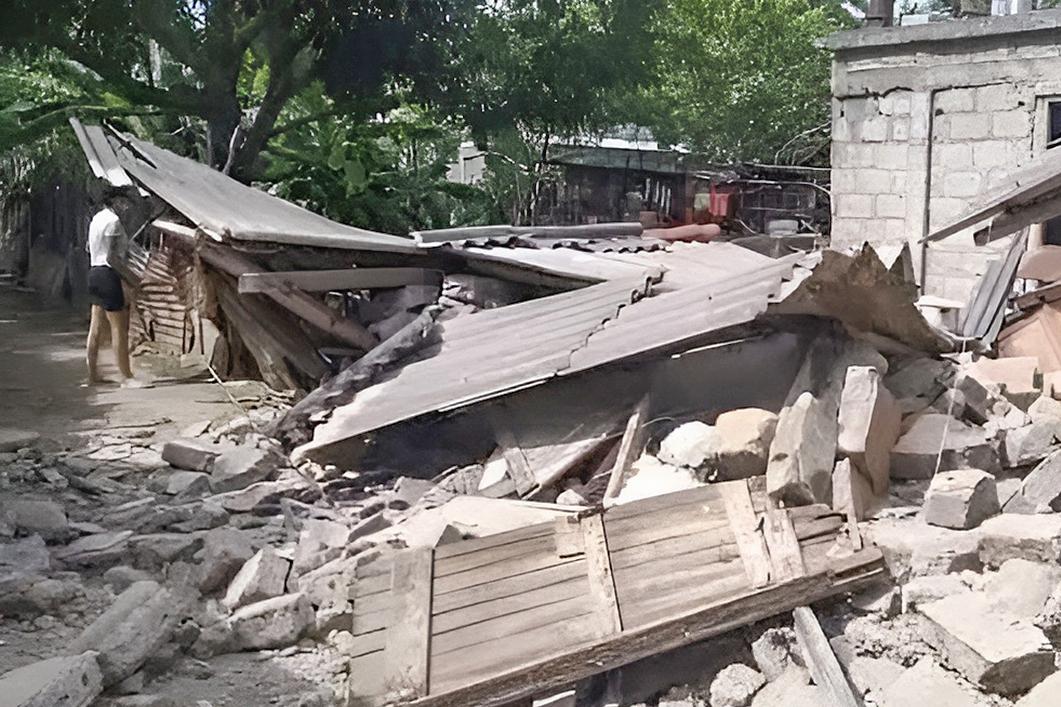
The nation is in an extreme emergency that has turned the country into a socio-economic disaster zone. The following factors have contributed significantly to this escalation: lack of liquidity, the sharp decline in tourism, the absence of remittances from family members living abroad, neglect of maintenance and renewal of infrastructure, and massive emigration. It is becoming increasingly difficult to combat suffering and hunger. The situation is almost unimaginable. Many are barely holding on and long for change.
In addition, strong hurricanes regularly hit the west of the country in autumn, causing severe flooding. Countless houses are left with serious structural damage. In recent years, epidemic-like outbreaks of viruses from the Amazon region transmitted by mosquito bites have also made large parts of the population ill. We help with prevention and medical care. SwissRelief steps in to help those who otherwise receive no support.
Central Asia - Grateful for medical assistance
Despite small signs of economic growth, many ordinary people feel none of it. According to the latest estimates, three out of four households do not have reliable access to healthcare or clean water. Families have hardly any savings left to cope with shocks such as a devastating earthquake or the sudden return of over 2 million refugees from neighbouring countries.
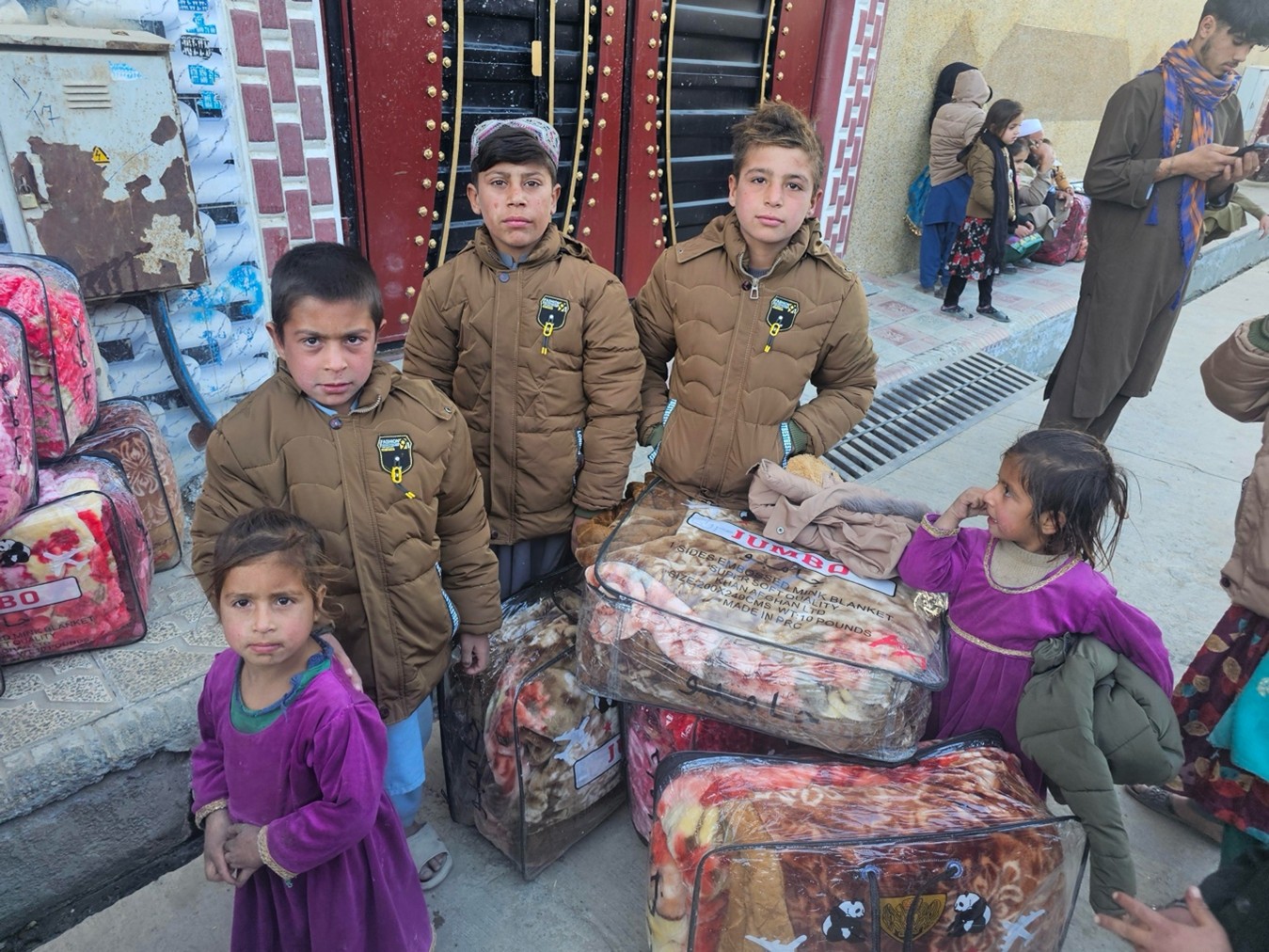
Over 9 million people suffer from acute food insecurity. In this ongoing crisis situation, SwissRelief was able to provide 16,951 families with food parcels, winter blankets and jackets in 2025. In addition, 1,257 families received emergency relief packages after the earthquake.
Women and girls are being pushed out of society more and more. More than 78% of women no longer have access to work or education. All the more encouraging was the fact that our clinics were still able to employ women, as 95% of treatments concerned women and children. In total, 112,546 patients were treated in the two clinics. In addition, 129,930 visitors were trained in how to live more healthily and prevent diseases with simple means.
Rana, a young widow who can barely survive on her low income from her laundry shop, reports: “Most of the time we do not have good food, so our children often get sick. A few days ago, my son Yasin suddenly suffered from vomiting and diarrhoea. His condition deteriorated rapidly. We came to this clinic, which started treatment immediately. Now, three days later, my son is much better. We are so grateful for this clinic, which treated us free of charge!”