

In the face of global challenges, we don’t want to remain passive, we want to help. For this reason, a group of determined people looked for ways to best respond to the needs they discovered on their travels. It started small, but grew quickly: perhaps because this group prefers to travel to places that are still untouched by mass tourism. As a result, contacts with people in remote places grew. The focus shifted more and more away from tourism and was replaced by relationships with the people we visited. These increasingly allowed us to experience their real needs in their environment. Driven by the desire to respond to the needs we discovered, we began to look for opportunities. At the beginning of 2006, we decided to found an organization and took the necessary steps to make it a reality. The board, staff, volunteers and all affiliated employees are committed to one goal: Together we can make a difference.
Yours sincerely,
N.Regez, President
Core vision
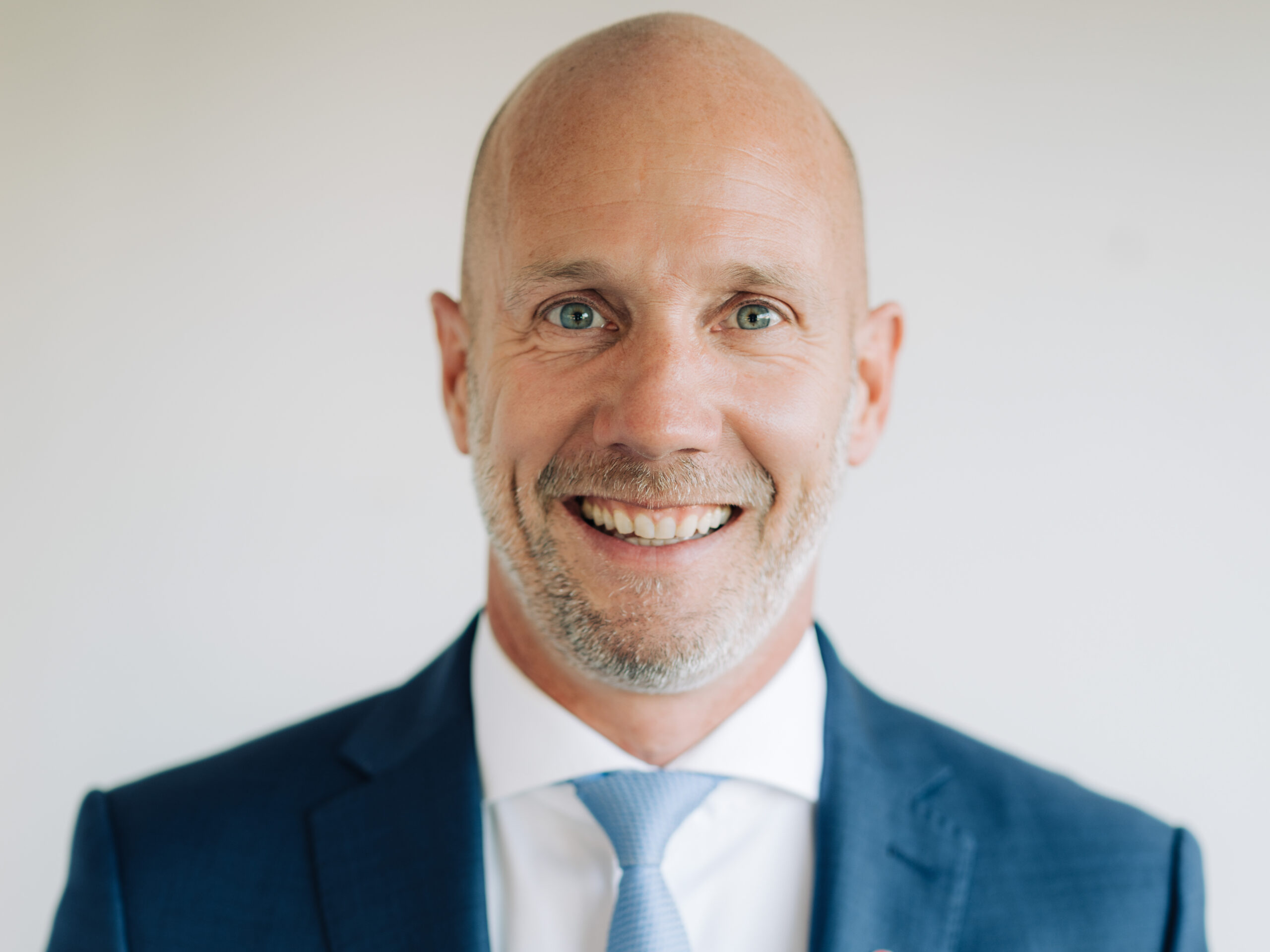
Restore
When exceptional circumstances arise – for example due to a natural disaster or a humanitarian catastrophe – our first priority is to restore living conditions. These should be brought back to a level that allows people to continue living in dignity.
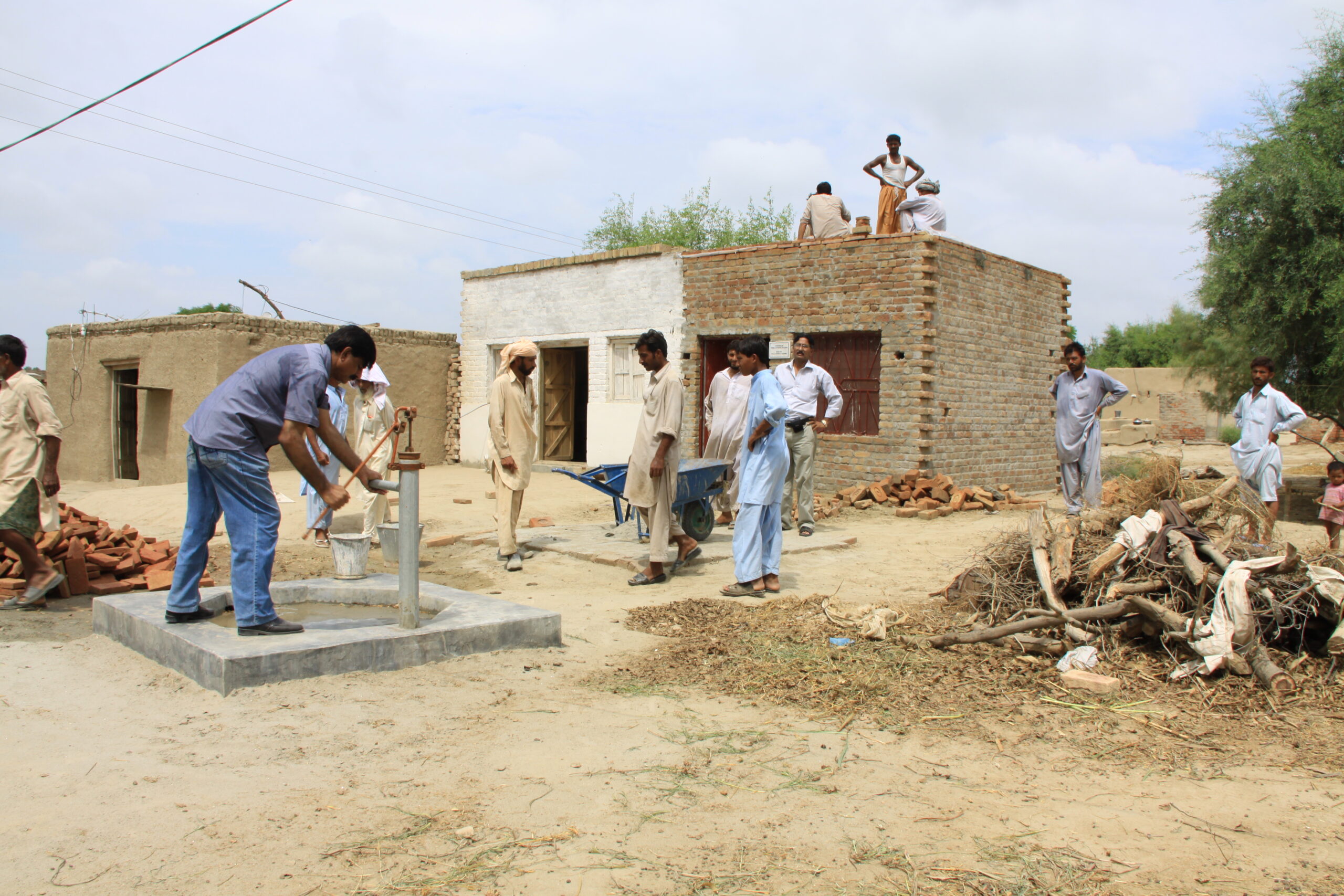
Bridging
Sometimes, however, a deterioration in circumstances is foreseeable. During such difficult times, we intend to stand behind our project participants and bridge this period as well as possible so that they can endure the situation. This can be in humanitarian, material, structural, social, psychological, etc. areas. areas.
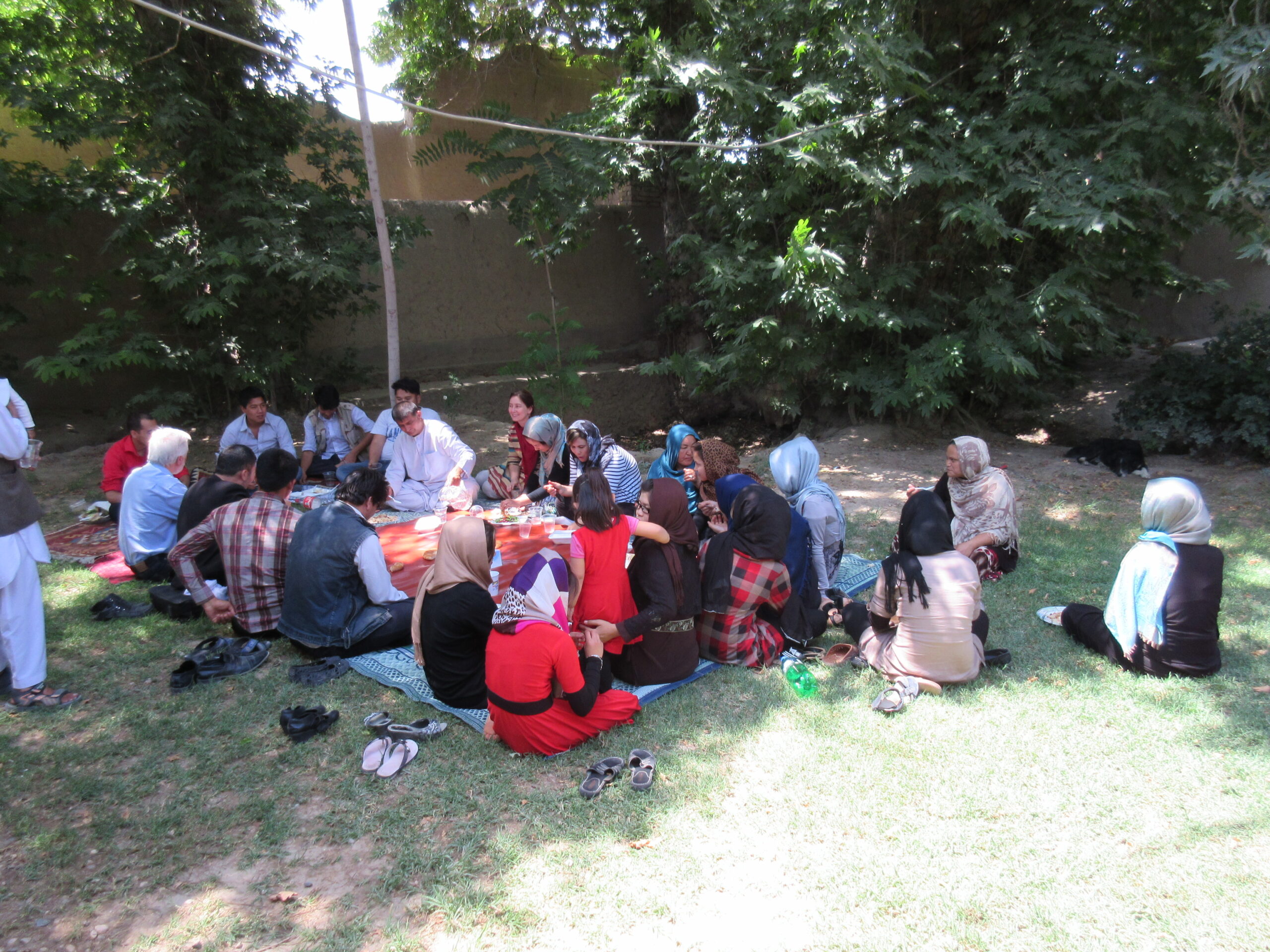
Encourage
But it is indeed always very difficult to be there at the right time and to be able to do the right thing. That’s why sometimes encouragement is the only thing we can offer. Even a simple word can turn into the most important support we can offer, because it comes from a two-way relationship. Together with our project participants, we see the suffering, stand beside them during the shock and care about the people with whom we are connected. It’s not just about actions or words – it’s about dedication.
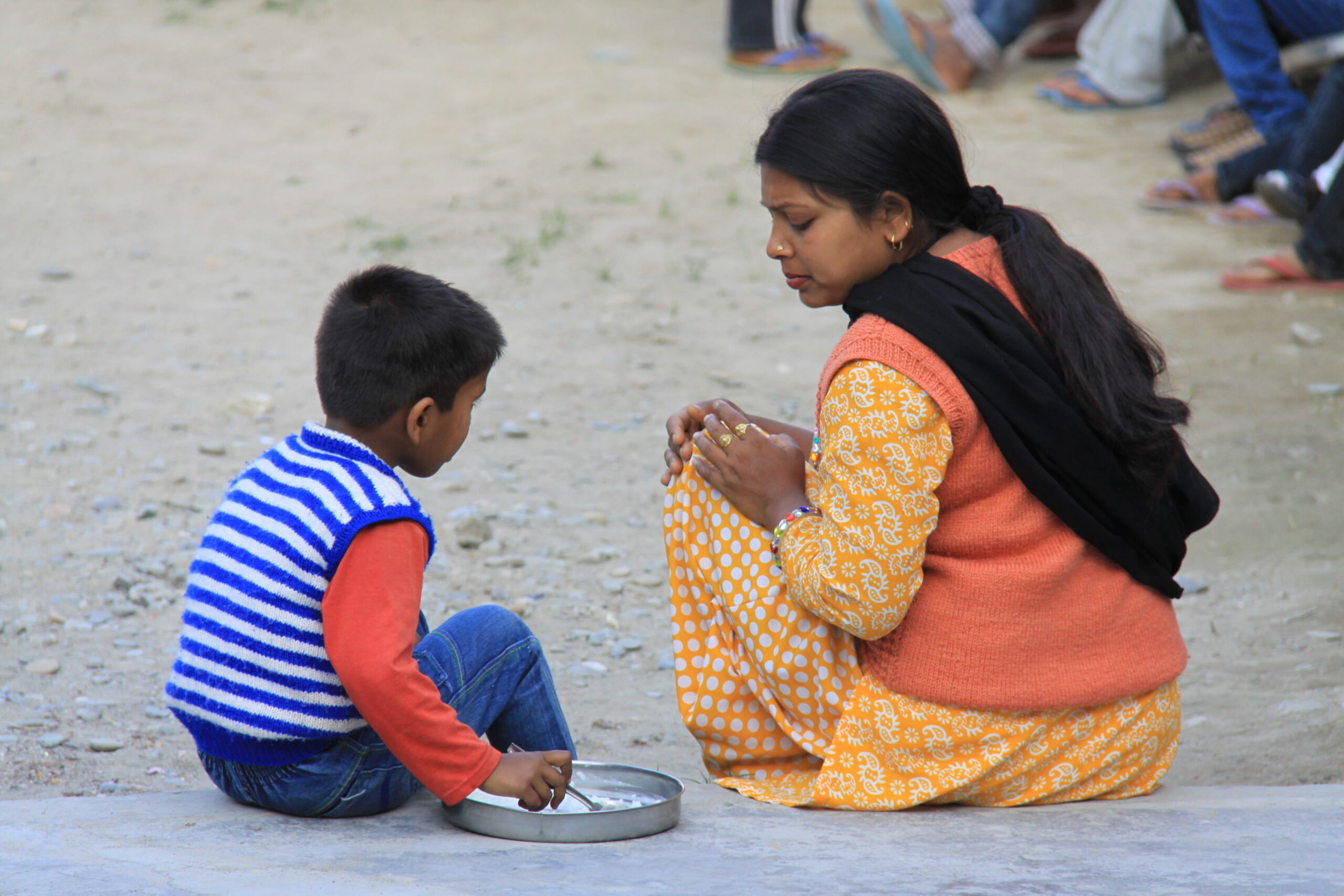
Enable
But our biggest concern behind everything is that we can empower our partners in their environment. We want them to discover their own opportunities and develop their own solutions so that they are ready for any obstacles that may arise. Above all, the solutions they find themselves are the ones that enable sustainable improvements. These create the basis for strengthening and developing a self-responsible civil society. And this in turn is the basis for democracy, freedom of opinion, equal rights and the emancipation of people – so that they can develop their full potential. It is our duty to stand by our partners while they find their own way.
Financial statements
SwissRelief’s annual financial statements are prepared and audited in accordance with the accounting standards of Swiss GAAP FER 21. Swiss GAAP FER 21 provides a true and fair view of the net assets, financial position and results of operations.
Frequently asked questions (FAQ)
SwissRelief is regularly contacted and asked questions. We have collected the most frequently asked questions and answers and listed them below. Perhaps the answer to your question is already here?
Is SwissRelief looking for employees in Switzerland or abroad?
SwissRelief currently has no vacancies. If you are interested in working in international and intercultural development cooperation in Switzerland and abroad, SwissRelief recommends that you consult the job exchange at www.cinfo.ch.
Does SwissRelief also provide financial assistance in Switzerland?
Due to its statutory focus, our aid organization only provides assistance abroad.
Are donations to SwissRelief acknowledged?
Donations of less than CHF 100 from individuals are only thanked on request after receipt of payment. By default, all donations are summarized and thanked at the end of the accounting year. SwissRelief considers this regulation to be appropriate and efficient. It does not apply to major donors or partner institutions with whom we have an informal and bidirectional exchange.
Can donations to SwissRelief be deducted from taxes?
In its letter dated 24.01.2007, the tax authorities of the Canton of Berne recognized the charitable status of SwissRelief. Donations can therefore be claimed as expenses for tax purposes: for cantonal and communal taxes based on Art. 38a para. 1 let. a and Art. 83 para. 1 let. g of the Tax Act (StG) and for federal taxes based on Art. 56 let. g of the Federal Direct Federal Tax Act (DBG). Donations can be claimed up to a maximum of 20% of the income reduced by the expenses, with annual donations totaling at least CHF 100. The annual letter of thanks from SwissRelief is your receipt with which you can claim the tax deduction for your donation. SwissRelief is not recognized by all cantons for tax exemption. Normally, however, the respective tax exemption of charities from other cantons is recognized at cantonal level.
Where can I find the income statement?
We will be happy to send you the annual invoice on request. Please contact us in writing by post.
How high is the deduction for administrative expenses?
The deductions vary and, in the case of substantial partners and large projects, are based on the amount of administrative support they require. In the case of intensive requirements (e.g. concerning operational and/or financial reporting, field visits, accounting, external and local audits by an accredited auditor, etc.), the deduction can be more than 10%. This is usually negotiated with the substantial project partners prior to the realization of the activity. SwissRelief assumes that a potential donor is aware of the extent to which monitoring the project in accordance with its requirements will incur costs. An exception is made for earmarked small donations, for which a flat rate of 15% is charged for the professional support of the aid project and the administrative costs.
Is SwissRelief needed? Aren't there already enough relief organizations?
Yes, aid organizations like SwissRelief are needed. Nature proves that diversity increases efficiency. In view of the appeals for donations, from a Swiss perspective one understandably gets the impression that there are already enough relief organizations. From the point of view of our national partners, however, there is still a great need for action. SwissRelief consistently seeks to work in partnership with local groups. Working together in networks allows for very short response times when events occur. Flat and decentralized structures allow for moderate administrative effort, which benefits project work. The search for and development of local solutions enables long-term help, contributes to independence and strengthens the local partner. We have the impression that SwissRelief covers a very important segment of development cooperation that can hardly be covered by other humanitarian aid organizations.
Can SwissRelief be requested as a sponsor?
In order to keep costs low, we do not review any unsolicited sponsorship requests or any requests for assistance or projects.
Would SwissRelief like to draw attention to itself through advertising?
In order to keep costs low, SwissRelief is in direct contact with organizations, foundations and individuals and does not advertise publicly on its own initiative.